TrustChain360
Platform /

ACTION MANAGEMENT & SUPPLIER DEVELOPMENT

Recognizing a risk
is only the beginning.

Identify risks. Prioritize actions. Improve value creation.

An insight makes a difference when it becomes a clear task: with business relevance, an owner, a due date and a review of the outcome.

  1. IdentifyName the problem and the supplier affected.
  2. PrioritizeUnderstand the risk and its business relevance.
  3. AssignSet ownership and a due date.
  4. ActImplement internally and with the supplier.
  5. ReviewReview progress and initiate a follow-up assessment.

ONE PROBLEM. ONE TRACEABLE ACTION.

Who changes what —
and by when?

The task must be more specific than “improve the supplier”. Which problem will it solve? Who coordinates internally? What is agreed with the supplier?

Expected impact remains a reasoned assumption until results are available. Its business relevance can help put effort and priority in context.

SUPPLIER B / SUPPLYExample data

Agree a firm delivery schedule

Finding
Recurring delivery deviation
Business relevance
Single Source, high supply criticality
Priority
01
Internal owner
Strategic procurement
Supplier contribution
Confirm a firm delivery plan
Due date
30 September
Expected impact
Less unplanned premium freight
Financial assessment
Baseline costs still to be recorded
Follow-up assessment
Q4, with production and logistics

Product views contain illustrative example data.

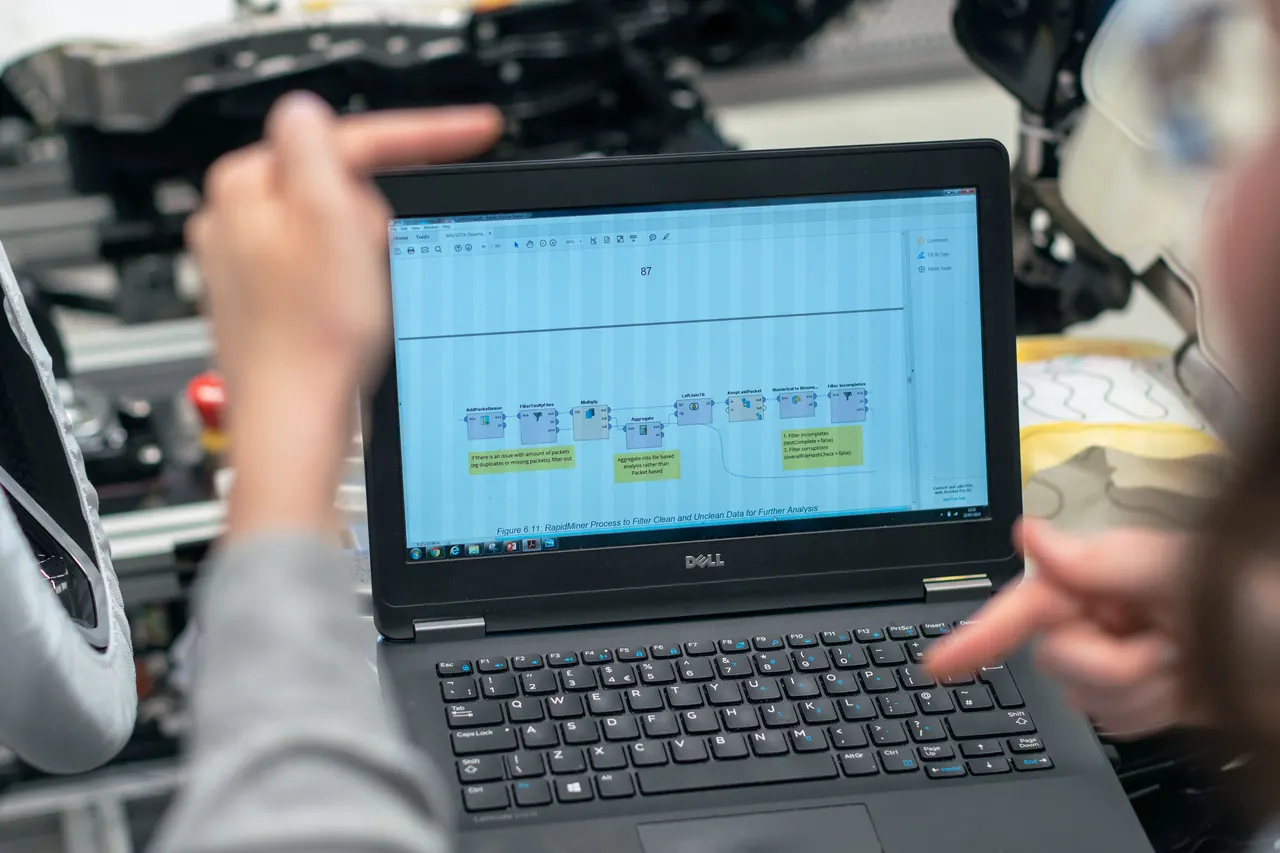
People working together on a laptop beside technical components.
Illustrative photograph of technical collaboration · © ThisIsEngineering / Pexels. Not a customer photograph.

COLLABORATION ACROSS COMPANY BOUNDARIES

Shared facts
for supplier discussions.

Internal alignment comes before the meeting. Procurement, quality and operational teams clarify which problem takes priority and what outcome they expect.

Supplier discussions turn implementation, responsibilities and dates into specific commitments. The results inform ongoing supplier development.

Prepare structured supplier discussions and record actions with internal or supplier ownership.

REVIEW THE IMPACT

Completing a task does not
automatically improve a supplier.

Performance history makes changes visible. A follow-up assessment can be initiated; your team remains responsible for checking the actual impact.

Verify implementation

Was the agreed change actually implemented? Has it become part of day-to-day operations?

Compare progress

How have dimension scores and operational effort changed against the baseline?

Decide what follows

Sustain the improvement, adjust the action or reassess priorities.

Use performance history as a basis for review

FOCUS YOUR IMPROVEMENT EFFORT

Which action
takes priority for you?

Discuss your use case